

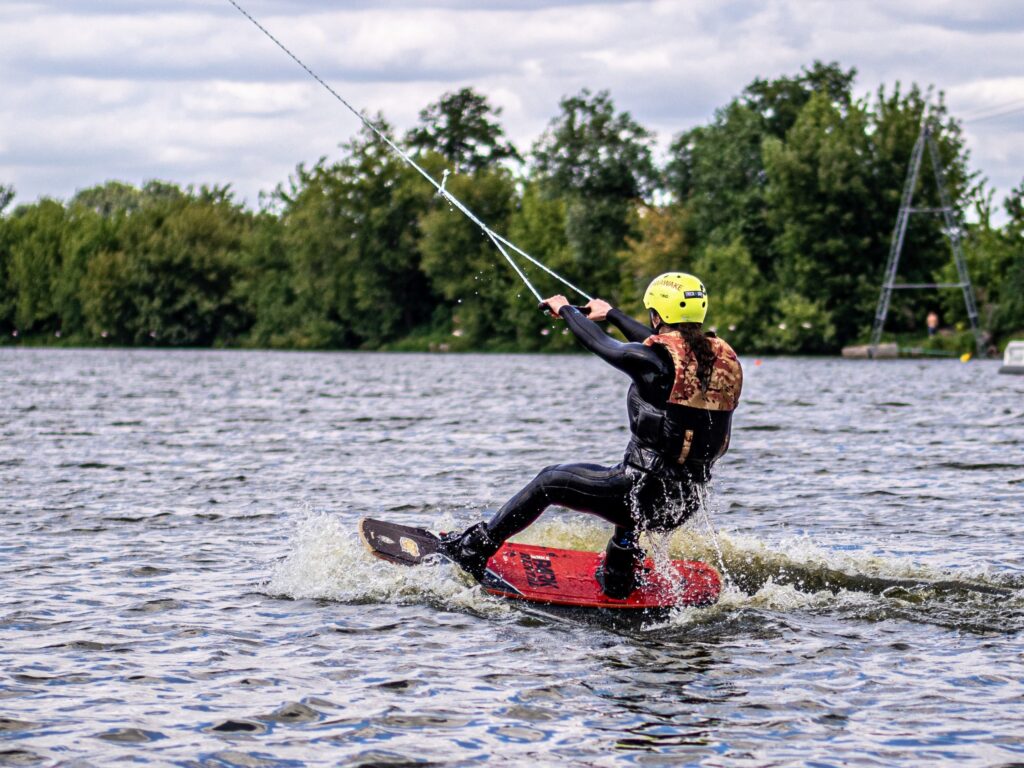
Wakeboarding at sea brings a whole new level of excitement to your ride. Whether you learned on glassy lakes or you’re curious how ocean swells change the game, these tips will help you carve your best turns yet. Even if you’re just researching “yacht charter wakeboard” to see what’s involved, you’ll walk away with a clear sense of gear needs, beginner drills, pro-level moves, and the sea conditions that make all the difference.
Gear Essentials for Ocean Wakeboarding
Saltwater and open-water conditions demand gear that’s durable, buoyant, and easy to handle. Here’s what you’ll want in your arsenal:
The Right Wakeboard
Ocean boards tend to be slightly different from lake models. Look for a board with a bit more volume and wider tip/tail to help you plane over chop. A twin-tip design keeps switch riding smooth, and a rockered profile gives you pop on small swells.
Comfortable, Supportive Bindings
High-back boots that lock your heel in place help transfer power when you hit a wave. Adjustable laces or quick-lace systems ensure a snug fit, so you don’t lose control in rougher water.
Quality Rope and Handle
A 15–18 meter rope with a floating, high-visibility cover lets you maintain a safe distance from the boat’s wake. Ergonomic handles with molded grip pads reduce hand fatigue on longer pulls.
Personal Flotation & Wetsuits
Even strong swimmers benefit from a life vest rated for watersports—look for CE/USCG approval and enough buoyancy to aid recovery without restricting movement. In cooler waters, a 2 mm or 3 mm neoprene vest or full-body suit keeps you warm; in tropical climates, a thin neoprene vest over boardshorts does the trick.
Board Bag & Maintenance Kit
Storing your wakeboard in a padded, UV-resistant bag protects it between sessions. A small kit with wax, fin keys, and a soft brush lets you tweak wax lines and tighten screws before you launch.
Finding Your Balance: Stance and Drills for First-Timers
Ocean wakes can feel unpredictable if you’re used to flatwater starts. Master these fundamentals on your first session:
Stand tall on deck and get comfortable in your bindings before you enter the water. Let the rope pull you back until your board floats parallel to the surface. Keep your knees deeply bent, chest up and eyes looking toward the horizon—avoid the temptation to stare at your feet.
Deep-Water Start Drill
Let the boat idle forward at just a few knots. Engage the rope, lean back slightly, and let the board rise under you. Use your legs like springs—bend on boat take-up, extend as you break free. Practice this motion until you spring up smoothly on each try.
Edge Control Exercise
Once you’re up, shift your weight onto your heels or toes to feel how the board carves. Make gentle S-shaped turns by leaning into your heels for toe-side edges and into your toes for heel-side. This back-and-forth builds muscle memory for maintaining balance on swells.
Surface-Ride Repetition
Aim for short 15-second runs, then let the board settle before you drop into the water again. Repeating brief bursts keeps fatigue low and helps you dial in your stance without overexertion.
Pushing Limits: Tricks and Safety for Seasoned Riders
Ready to elevate your sea wakeboarding? These moves and precautions will keep you flying high—safely.
Pop-Up Tricks
Once you’ve mastered edging, try small ollies (popping off the tail) by generating speed up the wake, then springing off it. Start with surface skips—hoping along the water’s surface—before moving on to wake jumps, where you clear the lip and land beyond it.
Crossover and Surface 180s
Approach the wake at an angle, load your trailing edge, then shift weight to the front foot and twist your shoulders to spin 180° in the air or on the surface. Keep your eyes on the landing spot and retract your board under you for clean rotations.
Safety First
- Always do a quick gear check: board, bindings and rope fittings before launching.
- Use hand signals or a two-way radio to communicate with your captain—especially when you want to switch sides or slow the boat.
- Wear a brightly colored vest and flag if you’re in a busy boating area so other vessels spot you easily.
- Rotate turns: avoid pushing too long on one rope to reduce arm fatigue and minimize collision risk with swimmers.
Finding Your Perfect Wake: Best Sea Conditions
Ocean wakeboarding thrives on calm seas and predictable swells. Here’s what to watch for:
- Early Mornings or Late Afternoons
Light wind means smoother chop. Tide currents tend to settle before midday, giving you flatter water to start your session. - Protected Bays & Anchorages
Shielded coves break the open-sea swell, creating wake patterns closer to lake conditions. Look for areas behind islands or near leeward shorelines. - Swell Size & Direction
Six-inch to one-foot swells are ideal—you get a rolling wake but not overwhelming chop. Avoid cross-winds that tack up the water into messy, unpredictable waves.
Always consult your captain for real-time sea and weather updates. They’ll help you choose the slickest water and adjust boat speed for your skill level.
Ready to Try Ocean Wakeboarding?
Whether you’re dipping your toes into wakeboarding for the first time or you’re a seasoned rider chasing bigger swells, the ocean offers a playground unlike any lake. If you’re planning a yacht getaway, let us include wakeboarding on your charter, and go meet the crew who’ll guide you through every turn in our Crew Profiles. The waves are waiting—are you ready to ride?